Stories of conservation, heritage, and the places that inspire us — where land meets sea and culture meets nature.
Story 1: Remembering Craig
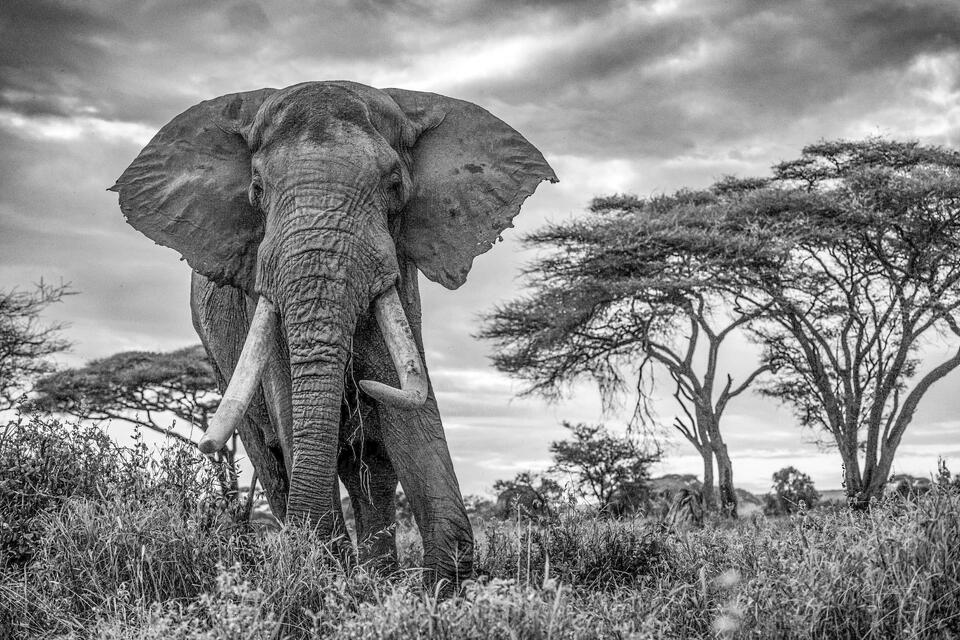
Craig was not just another elephant.
He was one of Africa's last great tuskers — a male elephant carrying exceptionally large tusks, the result of rare genetics that have almost disappeared from the wild.
For decades, Craig lived within Kenya's Amboseli ecosystem, becoming a familiar and recognizable presence to researchers, conservationists, and visitors alike. In a world where elephants with large tusks were historically targeted by the ivory trade, Craig's long life stands as evidence of effective protection and sustained conservation efforts.
Craig did not die as a result of poaching, he lived up to the age of 54 and passed naturally.
Why It's Worth Remembering
Large-tusked elephants play an important role beyond their visual impact. Their genetics represent strength, resilience, and evolutionary heritage. Craig's survival showed what is possible when wildlife is given space, protection, and time. His presence helped raise awareness about the importance of safeguarding remaining tuskers — not just as icons, but as carriers of irreplaceable genetic diversity.
Craig's story is not one of loss caused by harm. It is a reminder of:
- The long-term impact of past exploitation
- The value of sustained protection
- The responsibility to continue protecting what remains
Conservation is often spoken about in moments of crisis. Craig's life reminds us that quiet success stories matter just as much.
Why It Resonates With Us
At H2Wild, wildlife inspiration comes with responsibility. Animals are not symbols to be consumed — they are living stories shaped by protection, coexistence, and time. Craig's legacy reflects the balance we strive for: appreciation without exploitation, beauty without harm, and design inspired by nature with respect at its core.
Story 2: Turtle Conservation Along the Indian Ocean Coast
Along the Indian Ocean coastline, sea turtles have returned to the same nesting beaches for centuries — guided by instinct, tides, and the moon. Today, those journeys are increasingly fragile.
Six of the world's seven sea turtle species are classified as endangered or vulnerable. Along East Africa's coastline, turtles face growing threats from coastal development, fishing gear entanglement, plastic pollution, and rising sand temperatures linked to climate change.
Yet, despite these pressures, quiet progress is being made.
Across East Africa and the wider Indian Ocean region, community-led conservation programs are protecting nesting beaches, monitoring turtle movements, and safeguarding eggs that would otherwise be lost. In some areas, eggs laid in unsafe locations are carefully relocated to protected hatcheries, significantly improving hatchling survival rates.
These efforts are often led by local communities — fishermen, beach patrol teams, and conservation groups — who now see turtles not as incidental wildlife, but as species worth protecting for future generations.
The work is patient and long-term. From thousands of eggs laid, only a small number of hatchlings will ever reach adulthood. Conservation doesn't promise quick wins — but it does offer hope built through consistency, education, and care.
Why It's Worth Protecting
Sea turtles are vital to marine ecosystems. They help maintain healthy seagrass beds and coral reefs, supporting ocean biodiversity far beyond their own species.
Protecting turtles means protecting the wider marine environment — the same oceans that inspire coastal living, travel, and design.
Why It Resonates With Us
H2Sea is shaped by the rhythm of the coast and life lived close to the ocean. Stories like turtle conservation remind us that beauty and responsibility are deeply connected — and that the environments that inspire us also depend on thoughtful protection.
Story 3: Zanzibar – Where Culture Meets the Coast
Zanzibar has always been more than an island destination.
It is a meeting point — of Africa, the Middle East, India, and the sea.
From the carved wooden doors of Stone Town to the rhythm of dhow sails along the coast, Zanzibar's culture has been shaped by centuries of trade, movement, and exchange. Swahili architecture, intricate patterns, and hand-carved details reflect a deep connection between people, place, and craftsmanship.
The island's identity is inseparable from the ocean. Fishing traditions, spice routes, and coastal living continue to influence daily life, design, and storytelling — creating a culture that feels both layered and timeless.
Why It Endures
Culture is as much a part of conservation as wildlife. Preserving place means respecting traditions, craft, and the relationship communities have with land and sea.
Zanzibar reminds us that inspiration doesn't only come from nature untouched — but from nature lived alongside.
Why It Belongs at H2Brands
Our collections are shaped by journeys across land and sea — by wildlife, coastlines, and the cultures that exist between them. Zanzibar represents that intersection: history, craft, and ocean life woven into one place.
These stories remind us why we create — not just to design beautiful things, but to honor the places, wildlife, and cultures that inspire them.